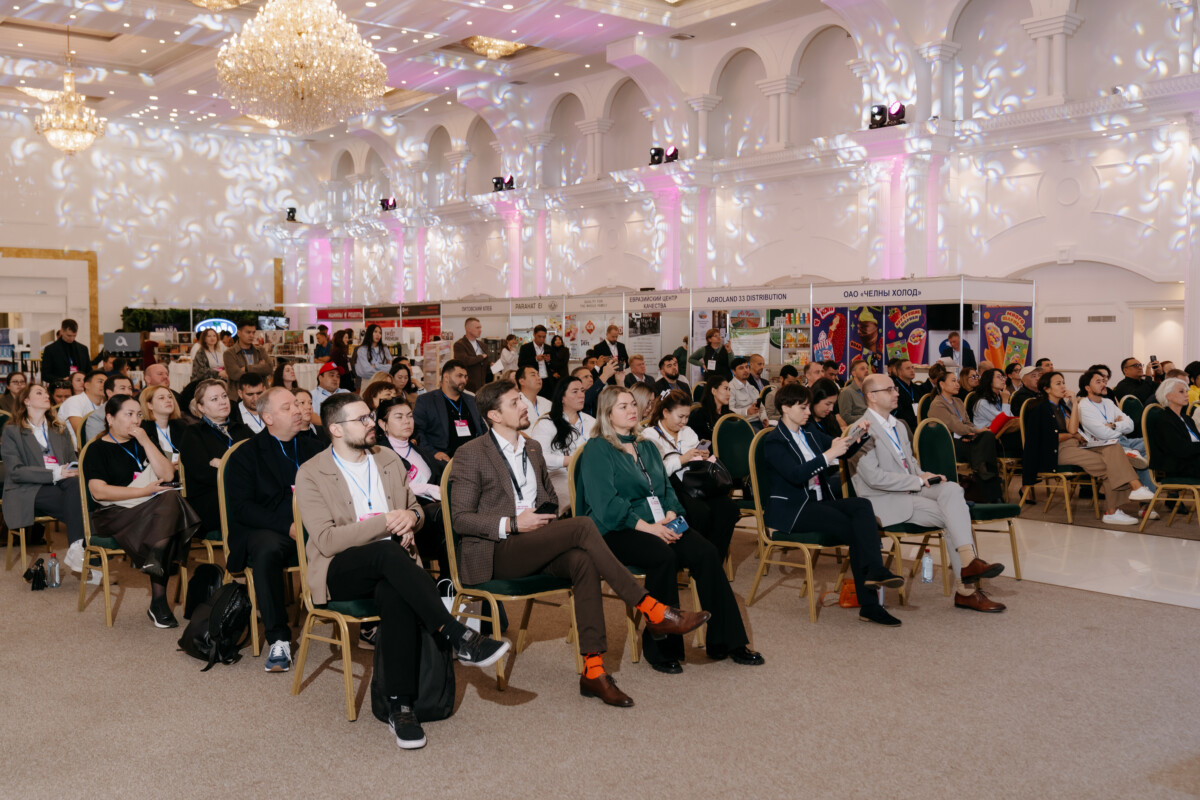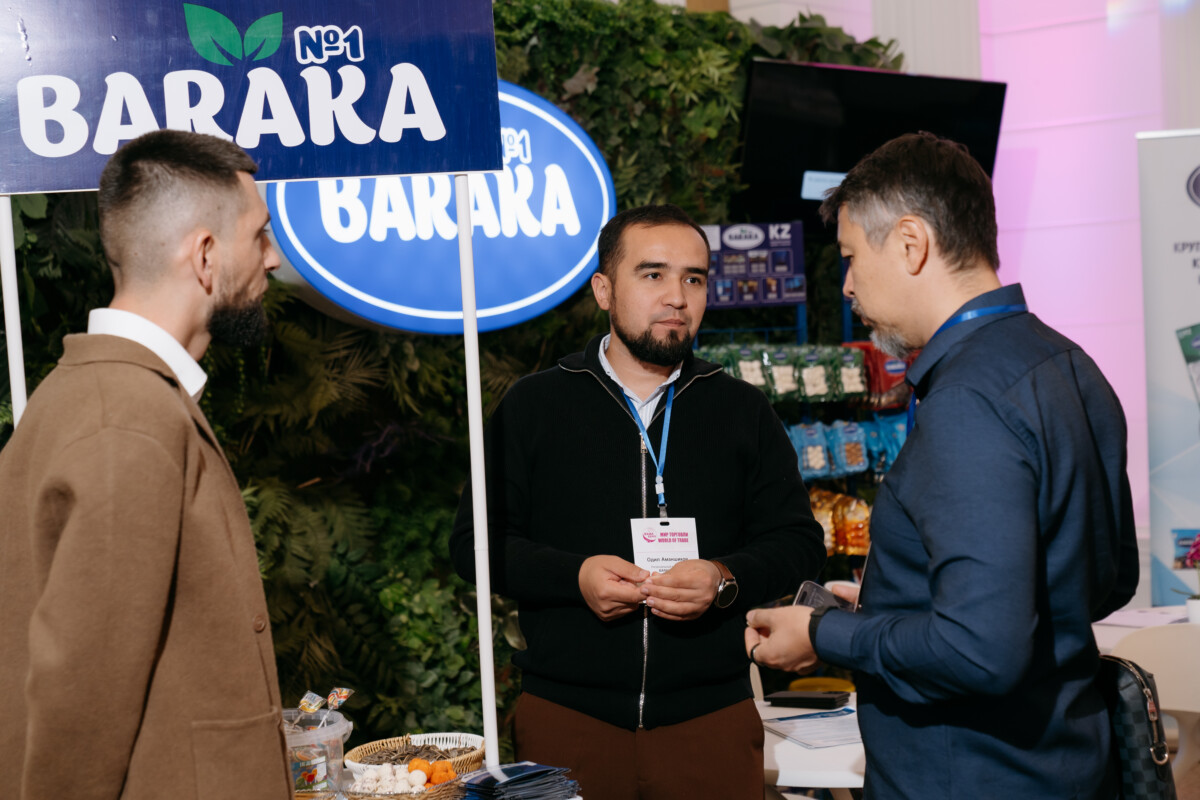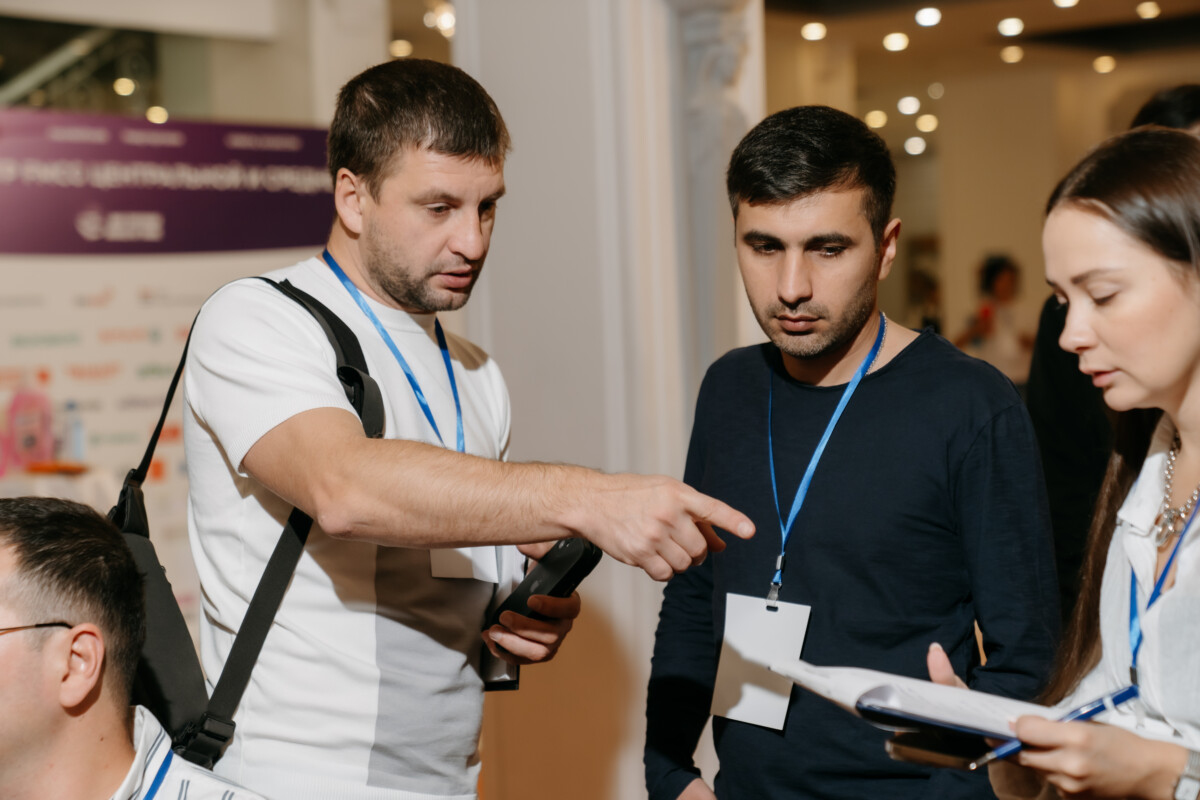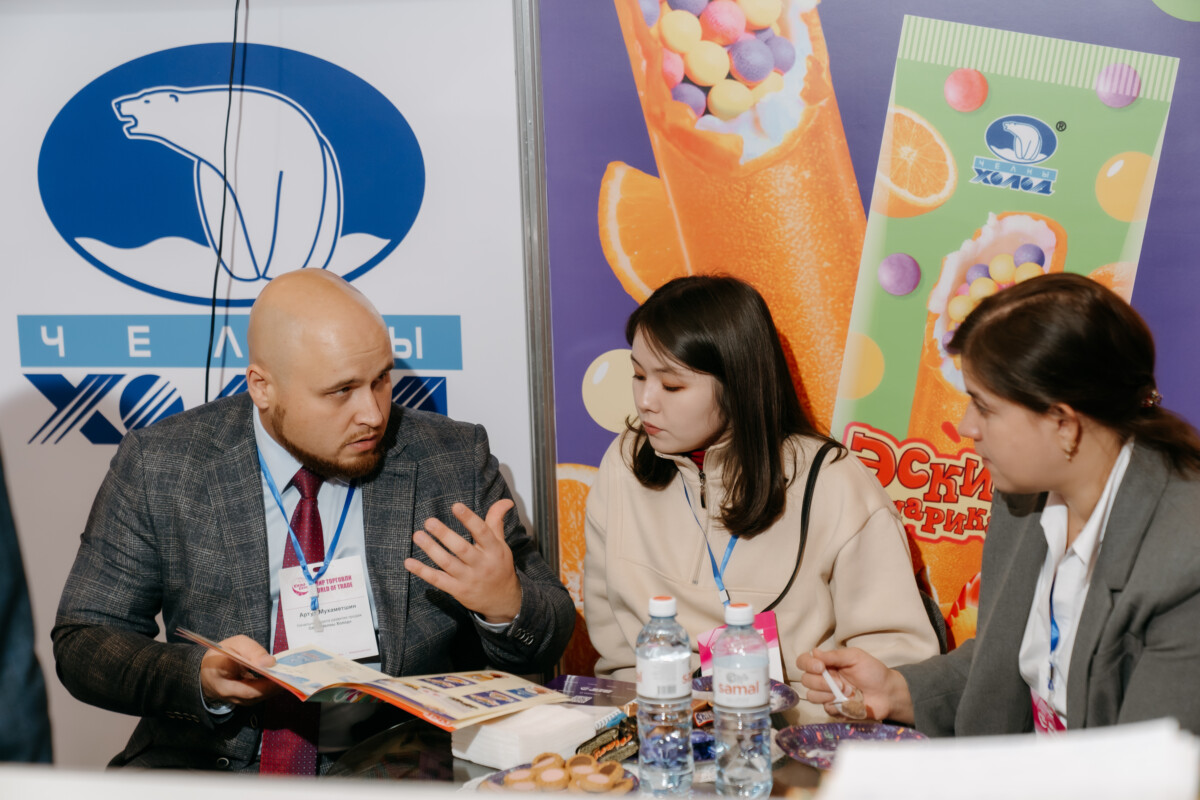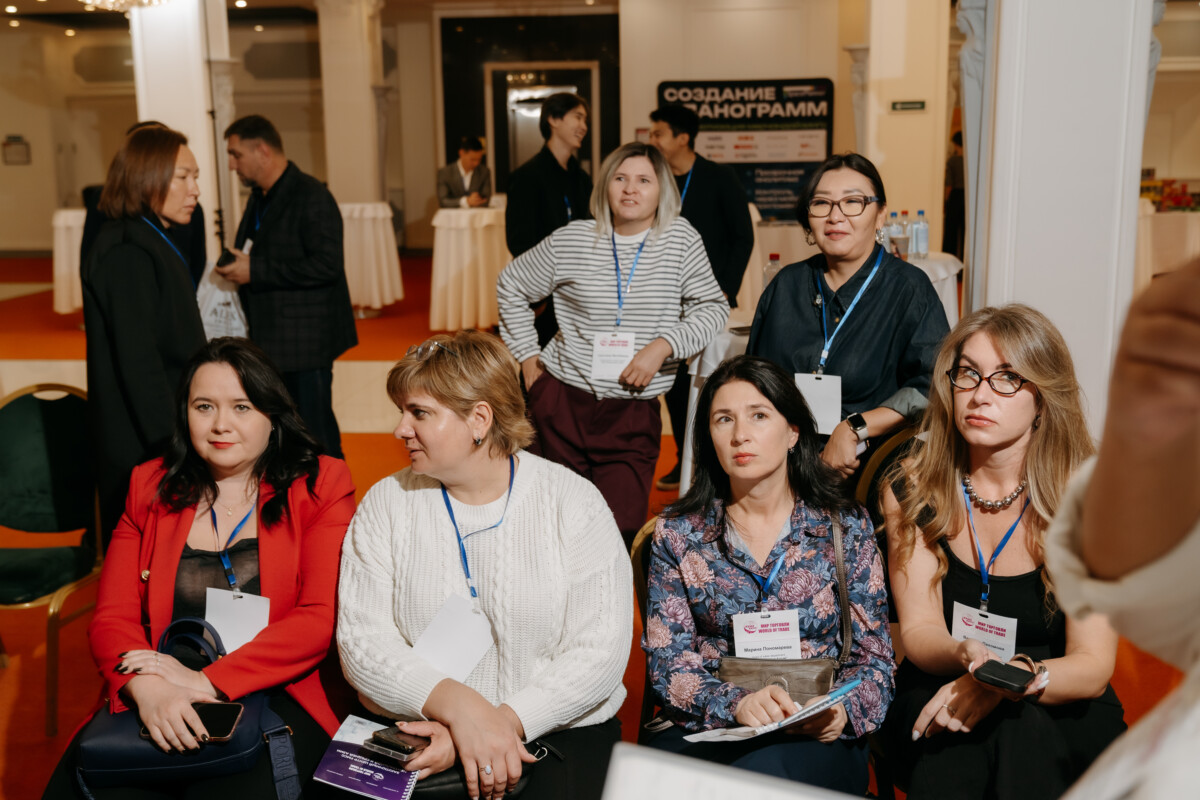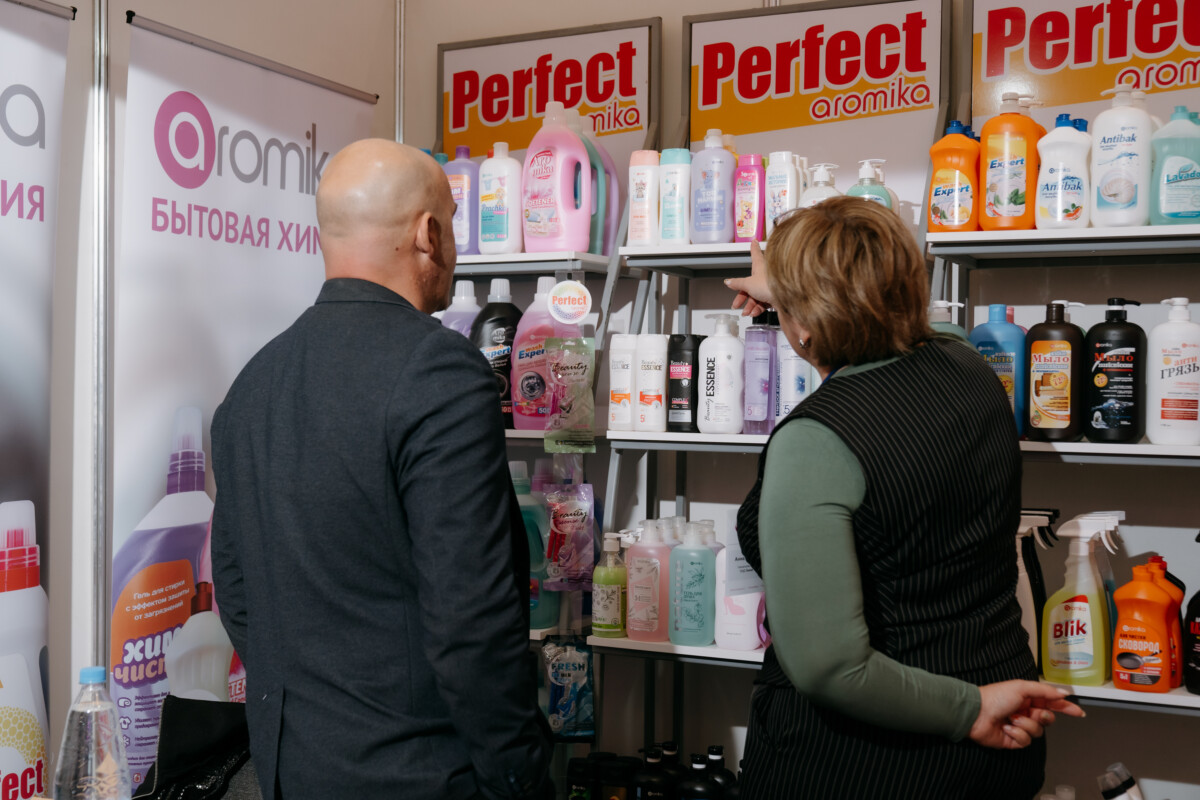





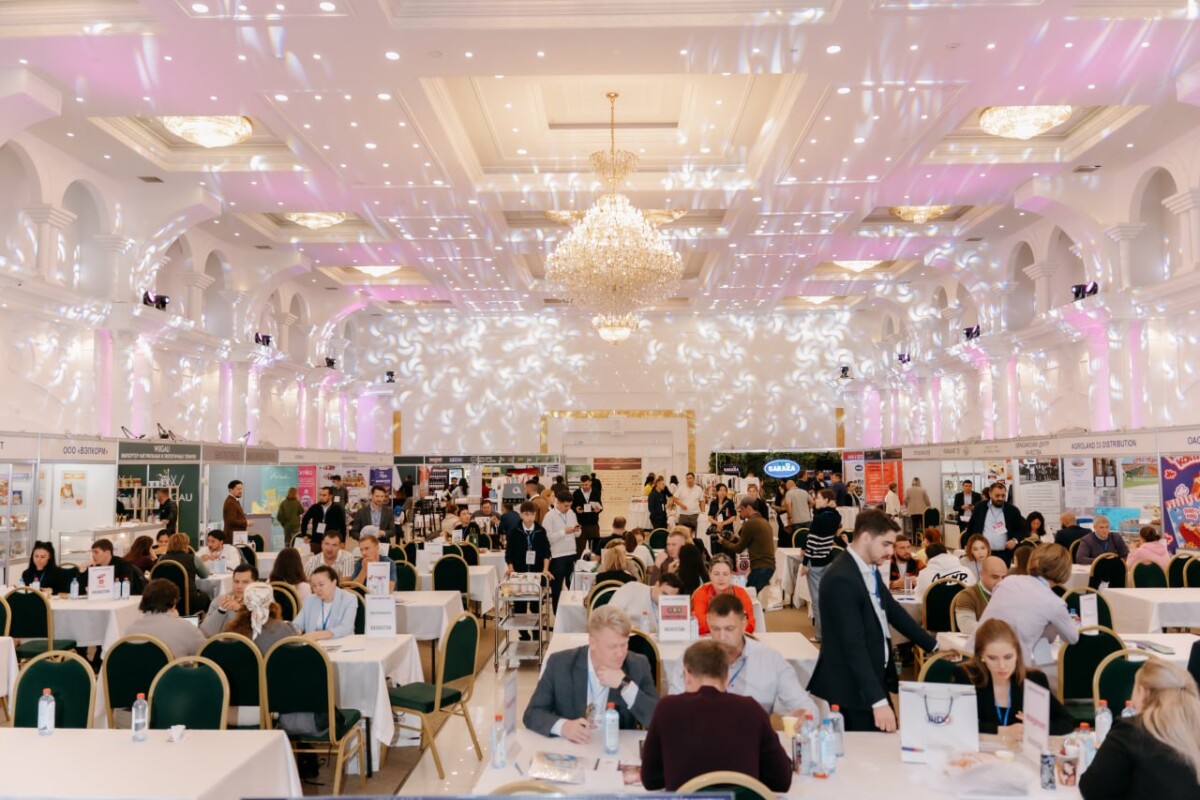
The 22nd International Retail Summit “World of Trade Purchasing Center” was held in Almaty — the largest industry event for retailers, manufacturers, and suppliers from Central Asia and the CIS.
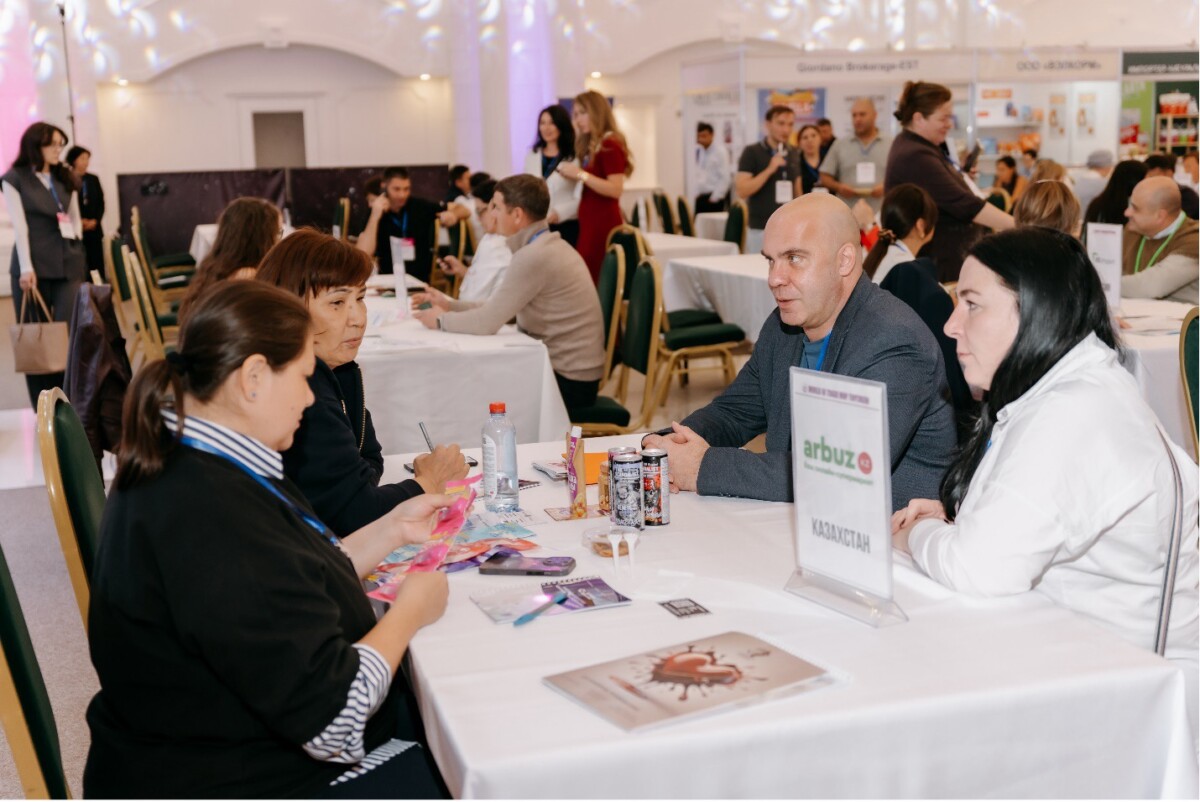
The summit took place on October 16–18 and became a landmark event, bringing together suppliers from 10 countries, including Kazakhstan, Italy, Israel, Turkey, Russia, Uzbekistan, Belarus, Kyrgyzstan, Turkmenistan, and the UAE. This is the only FMCG trade event in Central Asia where more than 10 hours of one-to-one B2B negotiations take place and real contracts are signed with more than 80 FMCG retail chains from different countries, including Kazakhstan, Russia, Uzbekistan, Belarus, Kyrgyzstan, Azerbaijan, Georgia, and Tajikistan.
“For more than 12 years, the World of Trade Purchasing Center has confirmed its role as a key partnership platform for retailers and suppliers in the CIS. The wide geography of participating countries and stable interest from business clearly show the relevance of the event. This year, 485 participants attended the summit, including representatives of 80 retail companies and 68 supplier companies,” noted Elena Sargaldakova, founder of the World of Trade projects.
The business program brought leading FMCG experts from different countries to Almaty. Key topics included FMCG market dynamics in Central and Middle Asia, digital transformation, and HR strategy.
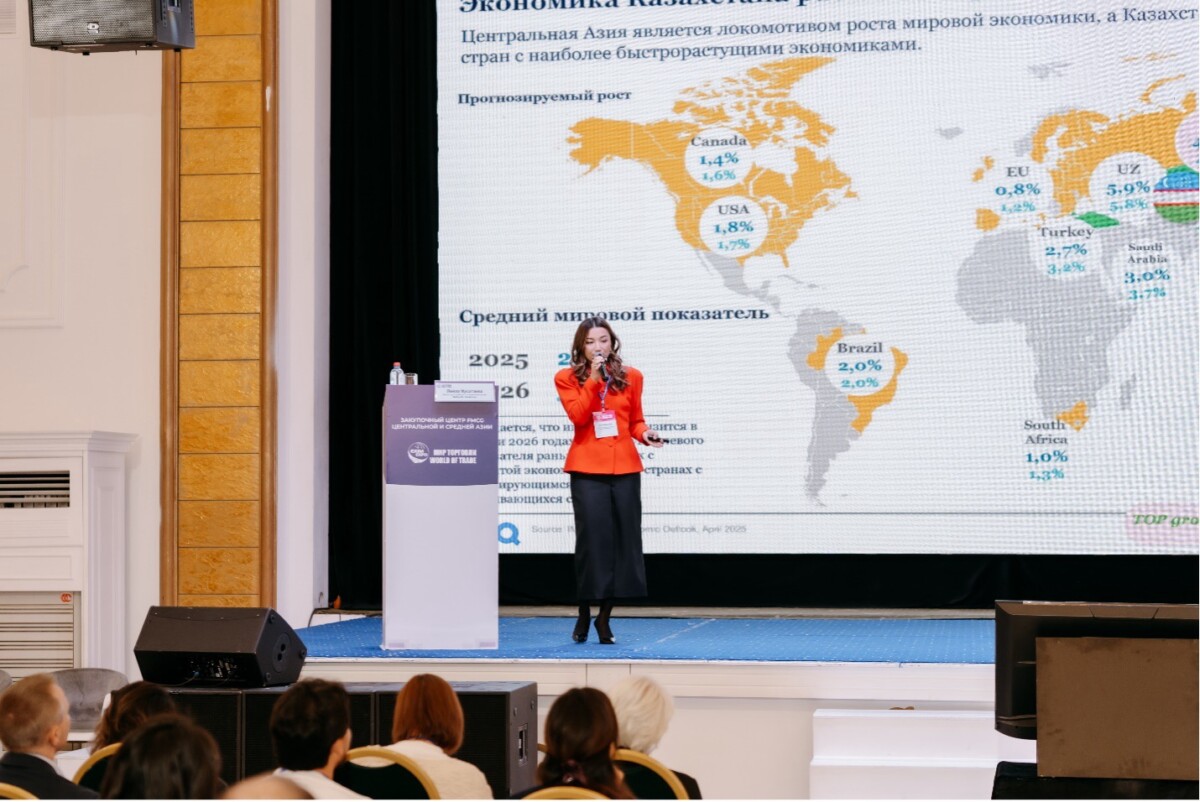
NielsenIQ Kazakhstan, a leading analytics agency, presented an exclusive market study that gave participants a full view of the market. Leyla Musatayeva, Director of Retailer Services at NielsenIQ Kazakhstan, shared key insights: “Global GDP growth is forecast at 3% in both 2025 and 2026, but Central Asian economies are growing faster than the global average. Kazakhstan is expected to grow by 4.9% in 2025 and 4.2% in 2026, while Uzbekistan is expected to grow by almost 6%. Kazakhstan is now among the top 10 fastest-growing economies in the world. Inflation is decreasing, but it is still higher than in Uzbekistan and the global average. Kazakhstan is an attractive market with a young population, and average income is almost twice as high as in neighboring countries. About 50% of income in Kazakhstan is spent on FMCG, while in Uzbekistan this share is about 40%. In Kazakhstan, 55% of retail is modern retail, and 45% is traditional trade. Traditional trade is declining but still plays an important role. In Uzbekistan, modern retail accounts for only 13% of the market. The fastest-growing channel is gas station stores, with 33% growth. FMCG consumption volumes started to grow only in spring 2025, but sales growth over the last two years was mainly driven by price increases — consumers now spend 17% more for the same basket than two years ago. Consumers are more price-sensitive: they control spending and choose more affordable brands. Spending on daily food increased by 40% in Astana and 50% in Almaty, with meat, vegetables, and fruit being the main spending categories.”
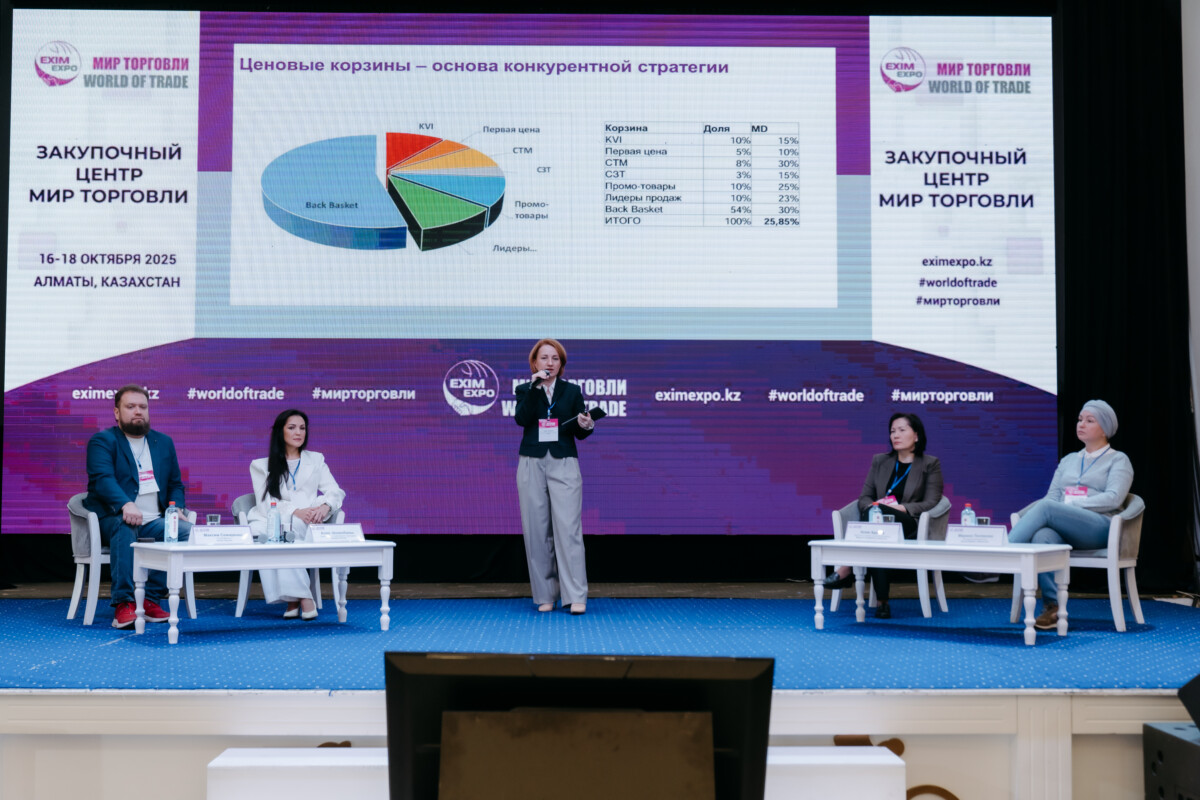
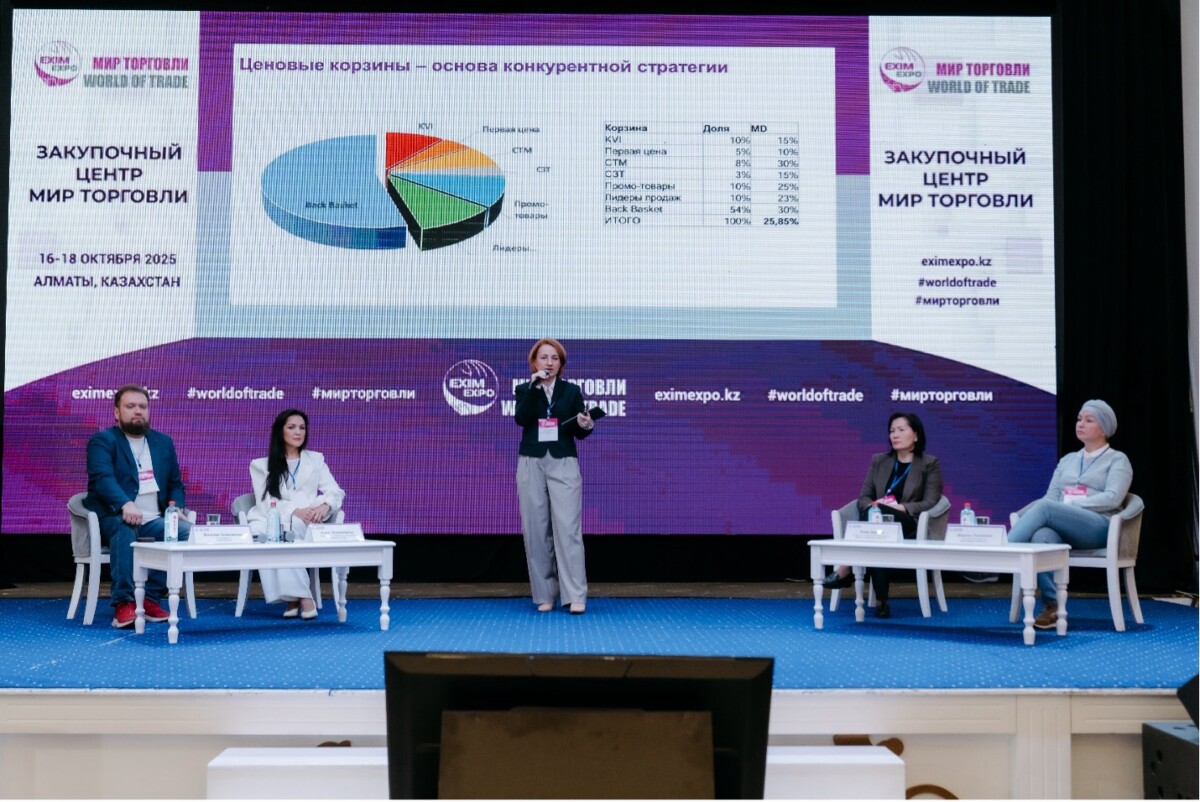
The Central Asian retail market is still far from full consolidation, but competition continues to grow as retailers test new formats and adapt to difficult economic conditions. During the plenary session “Success Factors of Retail Chains in Central and Middle Asia. The Impact of Category Management on Financial Results,” experts shared their views on market development.
Gulfira Krok, retail consultant and category management expert at Krok Consulting, noted that modern retail in Kazakhstan started developing actively about 20 years ago, and today it holds a significant market share: “In Uzbekistan, modern retail started about 5 years ago, and its share is now 13–15%, while the rest of the market is traditional stores and bazaars. In Tajikistan and Kyrgyzstan, modern retail is less developed, but interest is growing. Kazakhstan continues to move forward — new players enter the market, and existing chains continue to scale and test more efficient formats.”
According to Gulfira Krok, Russia, Belarus, and Ukraine have already passed the consolidation stage, where retail markets are dominated by a few large players: “This process is natural: first, chains compete with bazaars and private stores, then with each other. As a result, a few leading brands control the main market share, while niche players occupy separate segments or work in less developed regions. Each stage of retail development requires different strategies, tools, and competencies — what works at 20% market share doesn’t work at 50%. Business must adapt quickly to stay competitive not only tomorrow but also the day after.”
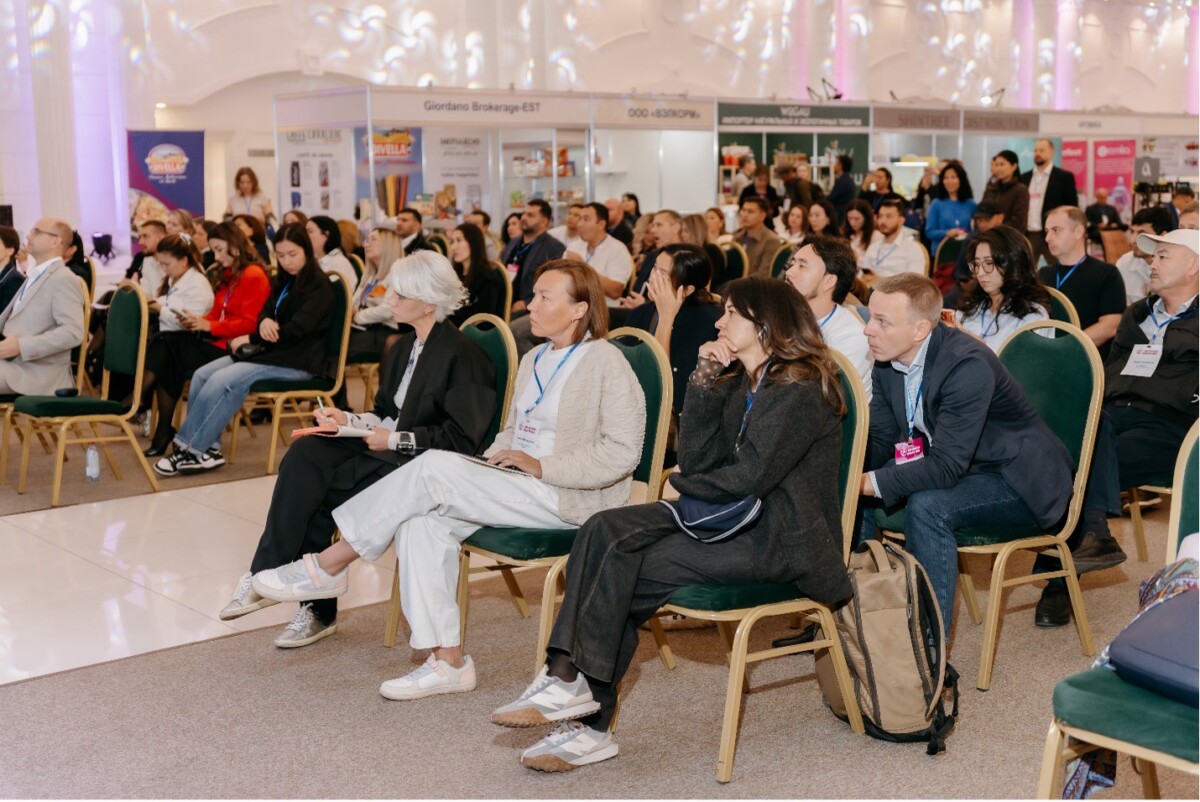
At the roundtable “How to Maintain and Increase Category Profitability Under Stricter Margin Control,” retailers shared practical experience on margin management and adaptation to changes. Anna Tishchenko, retail technology expert and leading category management analyst, presented consumer saving strategies based on ICMR Retail Monitor 2024–2025. The most common saving methods are shopping lists, low-price stores, and promotions.
“In Russia, 64% of consumers look for promotions, 55% choose low-price stores, and 46% follow shopping lists. In Belarus, the shares are roughly equal: 49% look for low-price stores, 46% follow lists, and 46% look for promotions. In Kazakhstan, consumers most often follow shopping lists (51%) and choose low-price stores (46%), while promotions are less popular (44%). Additional saving methods include flyers, large packs, discount coupons, and private labels. For example, in Kazakhstan, buying large packs is more popular than in other countries (38%), while in Russia, private labels are used more often (20%). Consumer behavior is becoming more planned and price-focused, but approaches vary slightly between countries,” explained Anna Tishchenko.
The results of the 22nd World of Trade Purchasing Center exceeded all expectations: B2B negotiations lasted 11 hours, and more than 2,700 one-to-one meetings were held. “The results are impressive: about 285 contracts are expected to be signed soon, and more than 300 additional contracts are planned for 2026. This is a powerful boost for trade development and strengthening economic ties in the region,” summarized Elena Sargaldakova.
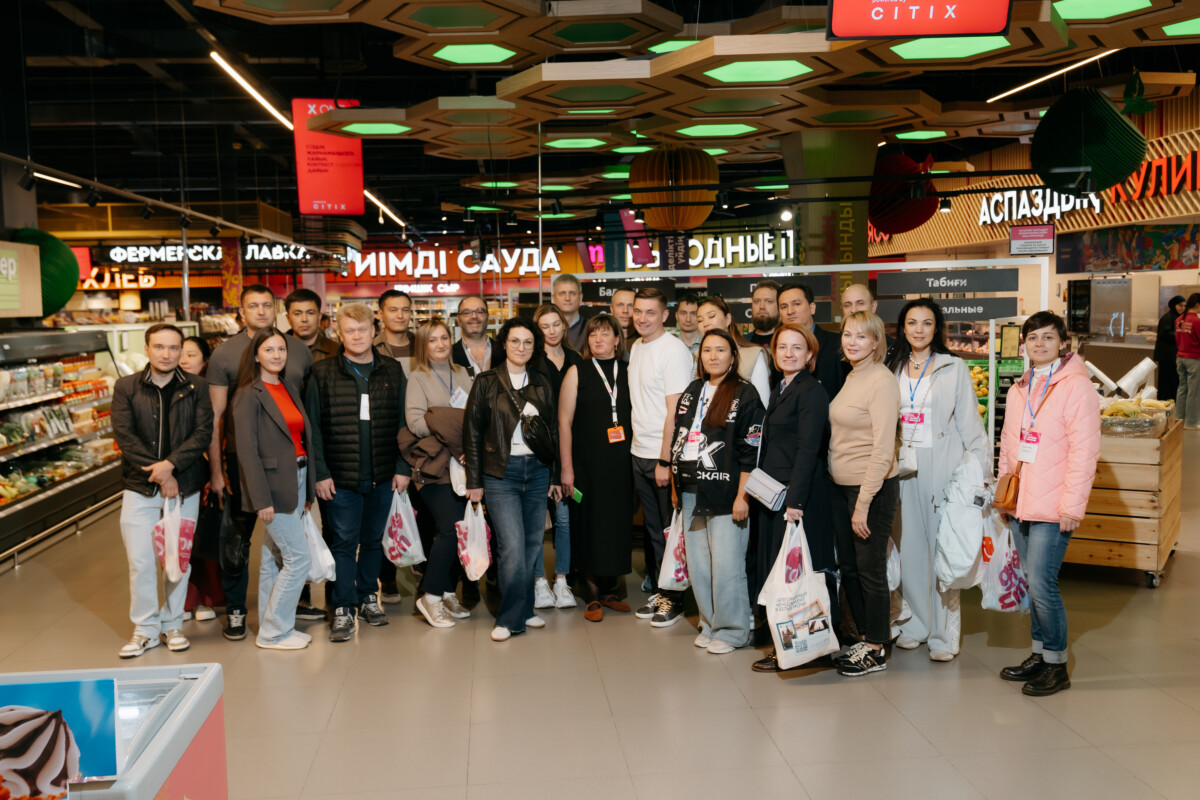
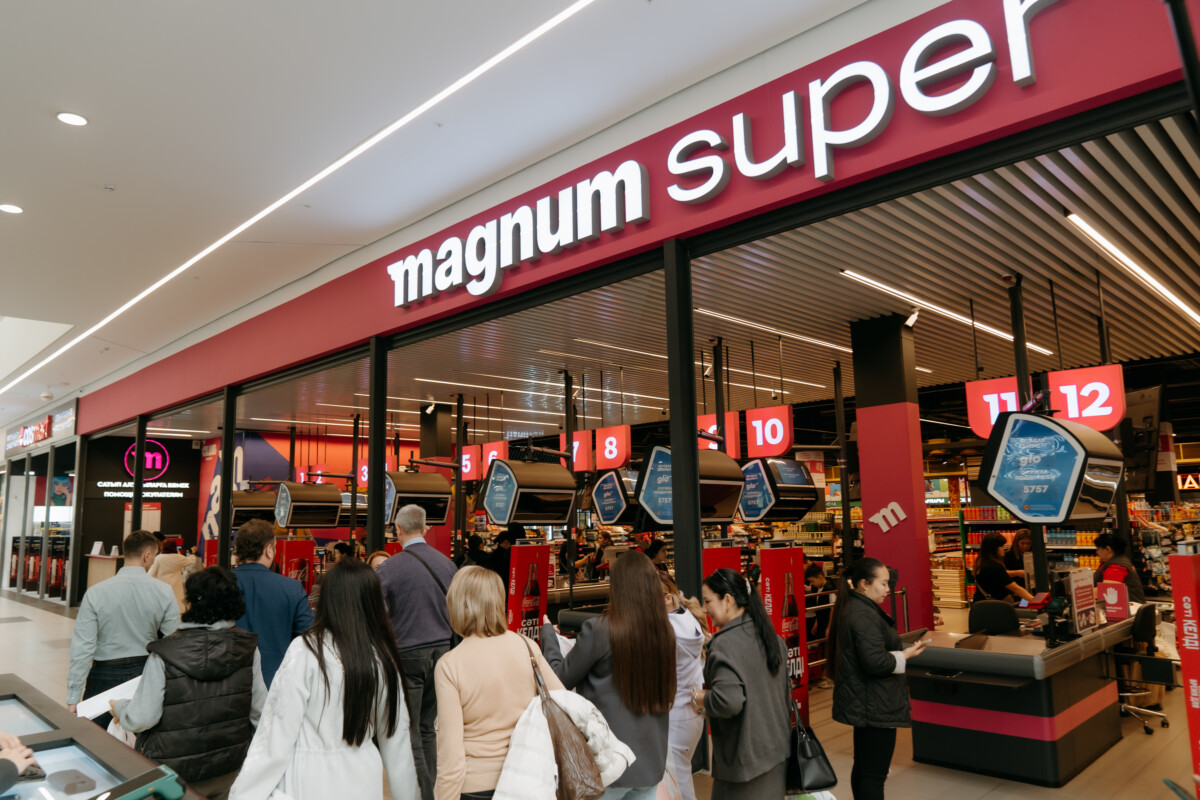
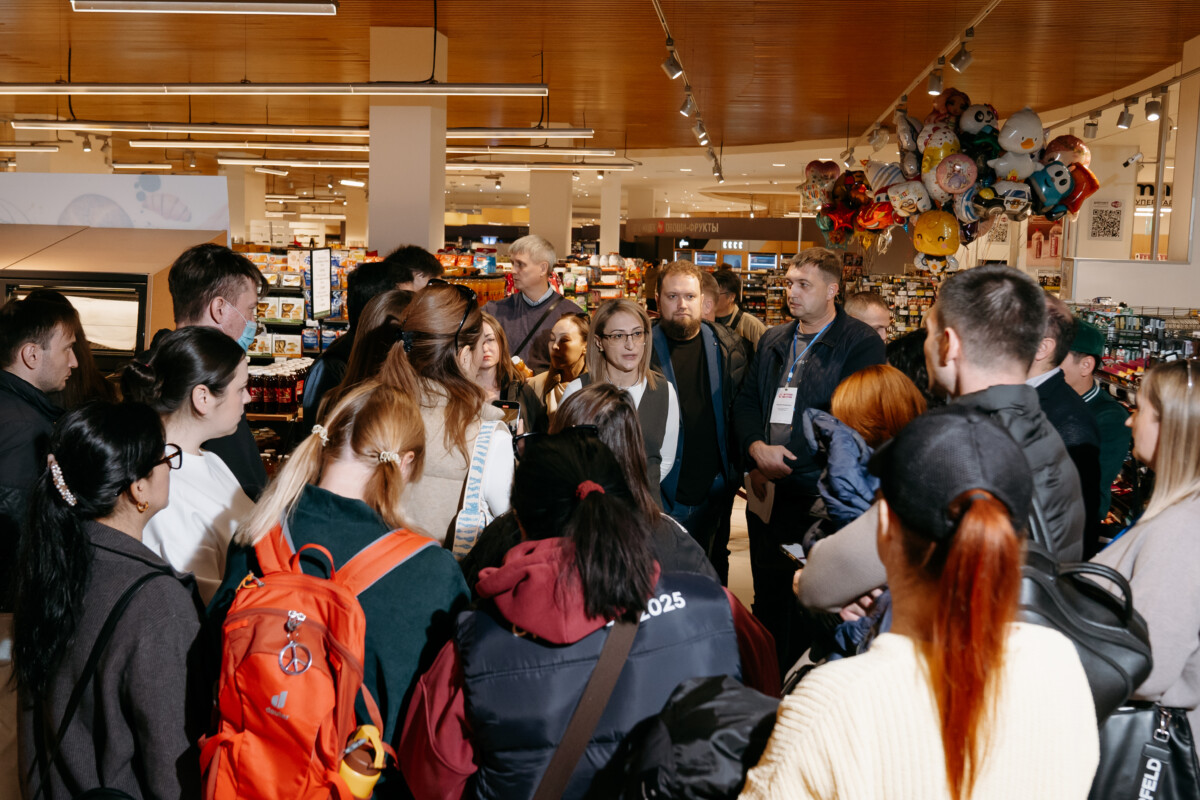
On October 18, participants visited Magnum and Galmart retail chains. Retailers organized personal meetings and showed new solutions in real stores. Participants discussed cooperation directly with top management of major Kazakh retail chains.
The 23rd World of Trade Purchasing Center will take place on May 28–30, 2026, in Almaty.
For more information, please contact the Organizing Committee:
Mob / WhatsApp / Telegram: +7 707 207 7001, Email: info@eximexpo.kz